Car-Free Paths to the Wild

Set out from the station with a pack that feels purposeful, not punishing, and discover how far shared transport can carry you into quiet places. Today we explore Transit-Friendly Camping Getaways, uniting train, bus, and ferry know‑how with ultralight packing, simple itineraries, and joyful, real traveler stories. Expect practical routes, thoughtful safety tips, and community wisdom that make wilderness approachable without a car, so your next escape begins with a ticket scan and an open horizon.

Getting There Without a Steering Wheel

Whether you’re crossing regions on a scenic rail line or hopping a local bus to a trailhead, the journey shapes the experience. Here we break down transfers, station layouts, and service patterns, helping you turn schedules into freedom, reduce stress at interchanges, and transform waiting time into planning, stretching, and a mindful shift toward the slower rhythm of the outdoors.

01

Smart Routes and Stress-Free Transfers

Map your route with comfortable padding between connections, favoring stations with amenities, clear signage, and accessible platforms. Use journey planners to compare transfer risks, and prioritize fewer changes over minutes saved. Carry a simple checklist that anticipates delays, local holidays, and weather disruptions, so each decision feels calm, deliberate, and aligned with the restorative spirit you’re seeking.

02

The Last Mile: From Stop to Campsite

Bridging the gap from stop to campsite can be easy with foresight. Research park shuttles, community rides, trailhead taxis, and rentable lockers. Bring lightweight straps for securing your pack on bikes or ferries, and favor camps within walking distance of water sources, reducing heavy carries while letting the landscape gradually deepen around you at human pace.

03

Tickets, Timing, and Off-Peak Advantages

Choose off‑peak departures for quieter coaches and extra luggage space, and set fare alerts to catch limited deals. Print or download backups in case connections vanish underground. Sitting forward gives earlier visibility of stops; sitting near doors shortens transfers. These small tactics add comfort, confidence, and breathing room when your adventure depends on public timetables rather than parking availability.

Pack Light, Move Freely

Shelter and Sleep Systems That Shrink, Not Comfort

Trade bulky poles for trekking‑pole tents or compact freestanding models that slide into overhead bins. Pair a lightweight quilt with a high‑loft pad and liner to widen comfort range. Use compression sacks sparingly to protect insulation, and practice rapid setup at home so late arrivals don’t become stressful puzzles under dim trailhead lamps and curious night breezes.

Cooking, Water, and Food Without the Bulk

Favor a compact canister stove or alcohol setup, nested with a small pot, lighter, and windscreen. Repackage meals into flat, flexible bags that stack tidily. Bring chemical treatment or a tiny filter to avoid hauling liters on buses, and choose calorie‑dense snacks that survive jostling, spills, and weather shifts from platform drizzle to sunlit granite.

Clothing and Footwear Built for Platforms and Pine Needles

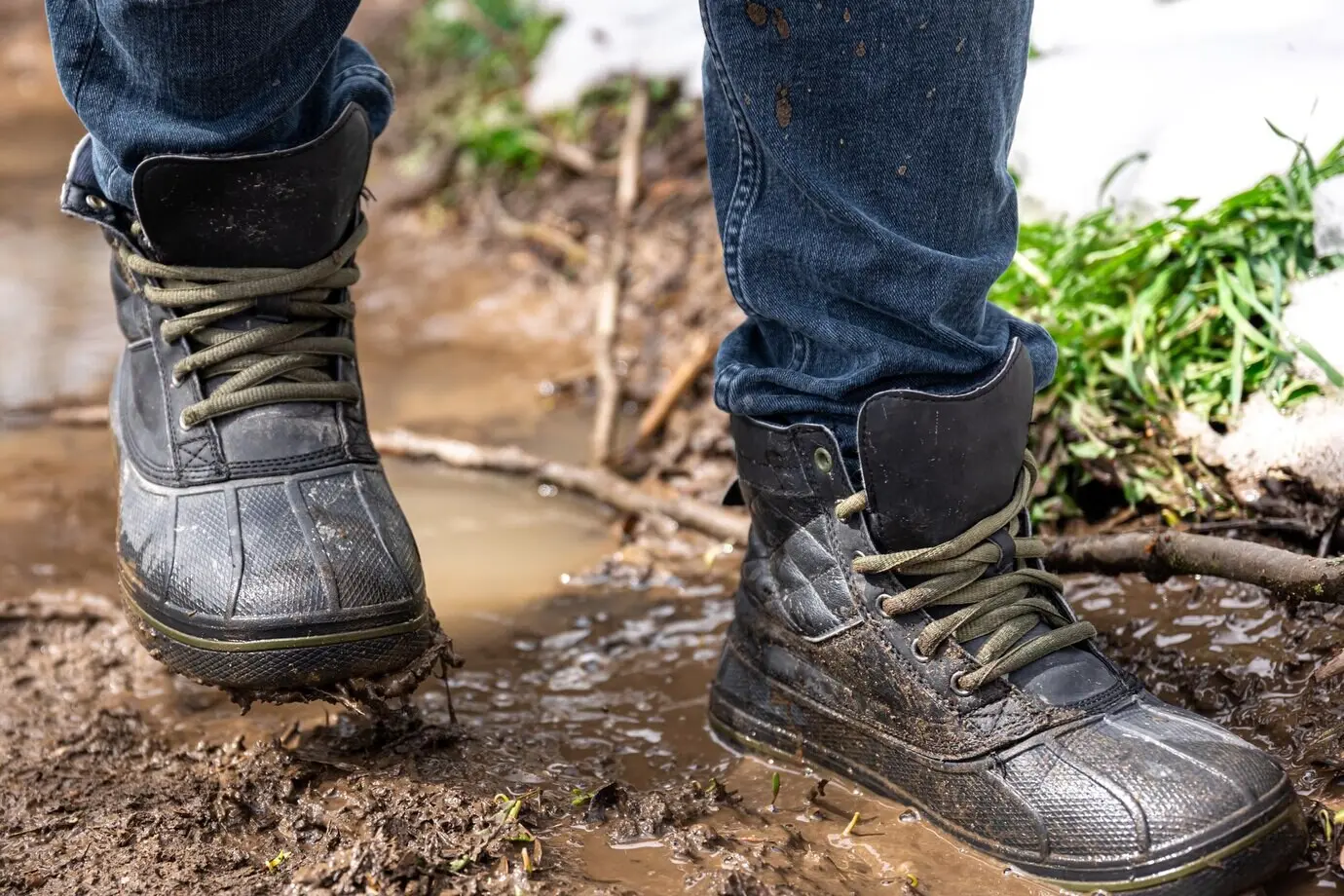
Select quick‑dry layers that look presentable on trains yet perform on windswept ridges. Pack one insulating piece that works sitting still and moving fast. Low‑volume shoes with reliable tread keep footsteps quiet on night arrivals, while a breathable rain shell balances station sprints, chilly cabins, and unexpected showers swirling through river valleys and lonely passes.

Destinations a Stop Away

Choosing where to unroll your sleeping bag starts with access. Seek campgrounds reachable by footpaths from stops, with water nearby and clear signage. Evaluate elevation gain, daylight windows after arrival, and return schedules, so the rhythm of transit harmonizes with the cadence of your walk, your meals, and a restful night.

Safety, Etiquette, and Quiet Confidence

Traveling among strangers with visible gear invites responsibility. Thoughtful behavior earns goodwill from drivers, crew, and fellow passengers, and it makes camp communities more welcoming when you arrive at odd hours. We share simple, field‑tested habits that protect wildlife, respect quiet, and keep you and your companions comfortable from station concourse to fire ring.

Research Tools and Maps That Confirm Access

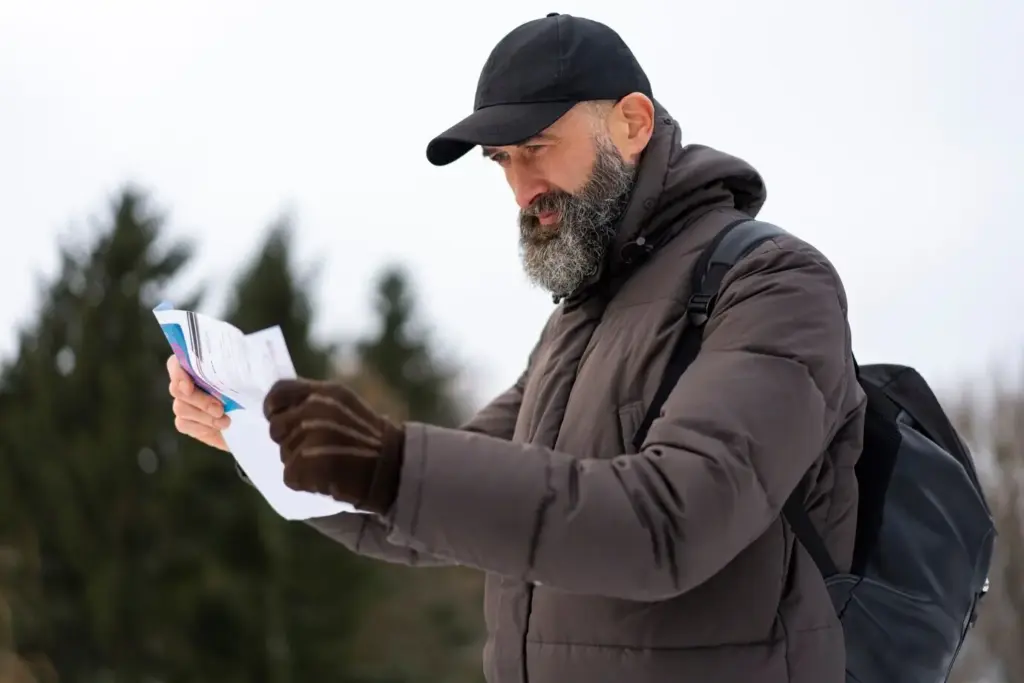
Combine official transit planners with park maps, satellite imagery, and recent trip reports to verify that a footpath truly links the stop to camp. Note elevation, gates, and seasonal bridges. Screenshots and offline files protect your plan when signals fade, while printed summaries help explain routes to rangers, drivers, and curious locals.

Calendar Strategy for Permits and Limited Services

Mark opening dates, shoulder seasons, and maintenance closures, then cross‑reference with school holidays and major events that strain capacity. Set reminders for permit lotteries, consider midweek departures, and coordinate last‑mile shuttles in advance. This choreography keeps expectations realistic and unlocks quieter sites, shorter queues, and cheerful staff who have time to share local gems.

Plan B for Delays, Detours, and Sudden Weather

Prepare alternates that share the same outbound ticket but end at different stops, giving options when lines suspend or storms arrive early. Identify sheltered waiting spots, indoor food nearby, and water sources en route. Flexibility protects morale, keeps risks low, and often reveals landscapes and conversations you would have missed on a rigid itinerary.

Stories to Spark Your Next Departure

Dawn, a Sleeper Train, and a Ridge Above the Clouds
I boarded late, slipped into a quiet berth, and woke to mist folding through pines. By nine, my boots hit a soft trail; by noon, a ridge unfurled lakes like scattered coins. Returning, I watched villages glow past the window, feeling fuller, lighter, and newly convinced that distance shrinks when curiosity sets the schedule.

Bus to Ferry to Beach: A Weekend That Felt Endless

The connections were tight but kind. A driver held the door; a deckhand recommended a cove. I camped above tide line, listened to kelp crackle, swam at dawn, and napped between gull calls, then retraced my route sunburned, smiling, and brimming with gratitude for the generosity that travel often invites.

Subway, Footpath, Hammock: The Two-Hour Microadventure

I left after work with a sandwich and a paperback, rode eight stops, and walked along a canal where swans glided through dusk. A hammock between beeches became home. Morning coffee steamed as trains whispered nearby, reminding me wonder lives surprisingly close, waiting for an evening and a little intention to unlock it.
Nararamoraxupofe
Privacy Overview

This website uses cookies so that we can provide you with the best user experience possible. Cookie information is stored in your browser and performs functions such as recognising you when you return to our website and helping our team to understand which sections of the website you find most interesting and useful.