Camp Without a Car: City-Edge Escapes by Metro or Light Rail
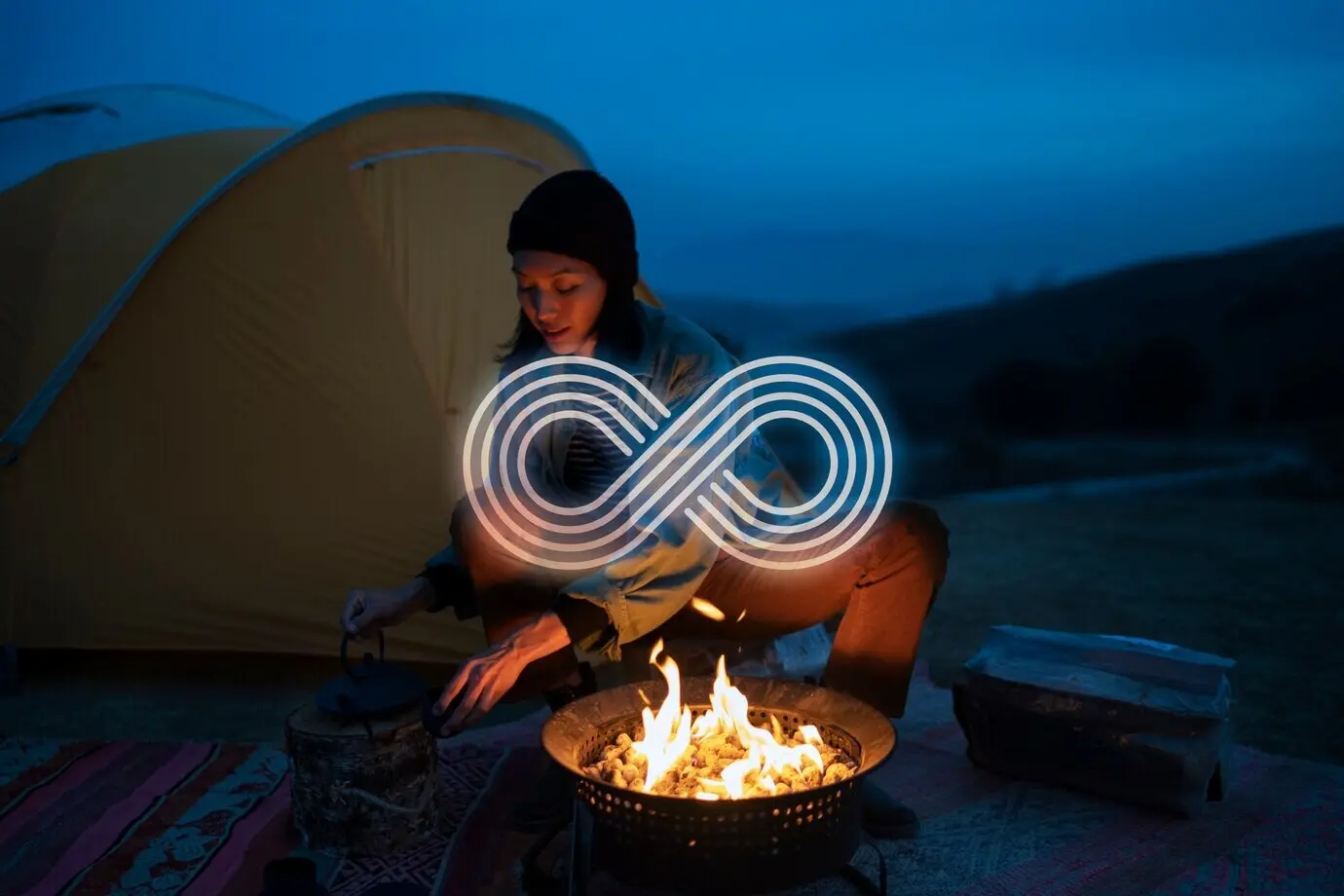
Step into a new kind of weekend freedom. We are spotlighting urban edge campgrounds reachable by metro or light rail, where forests, riverbanks, and quiet skies wait just beyond the last platform. Learn how to plan routes, pack smart, and sync schedules so your tent, not traffic, becomes the centerpiece of your journey. Share your favorite car-free escapes, ask for advice, and help others find greener, simpler ways to sleep under the stars within reach of the city.

Planning Your Car-Free Escape

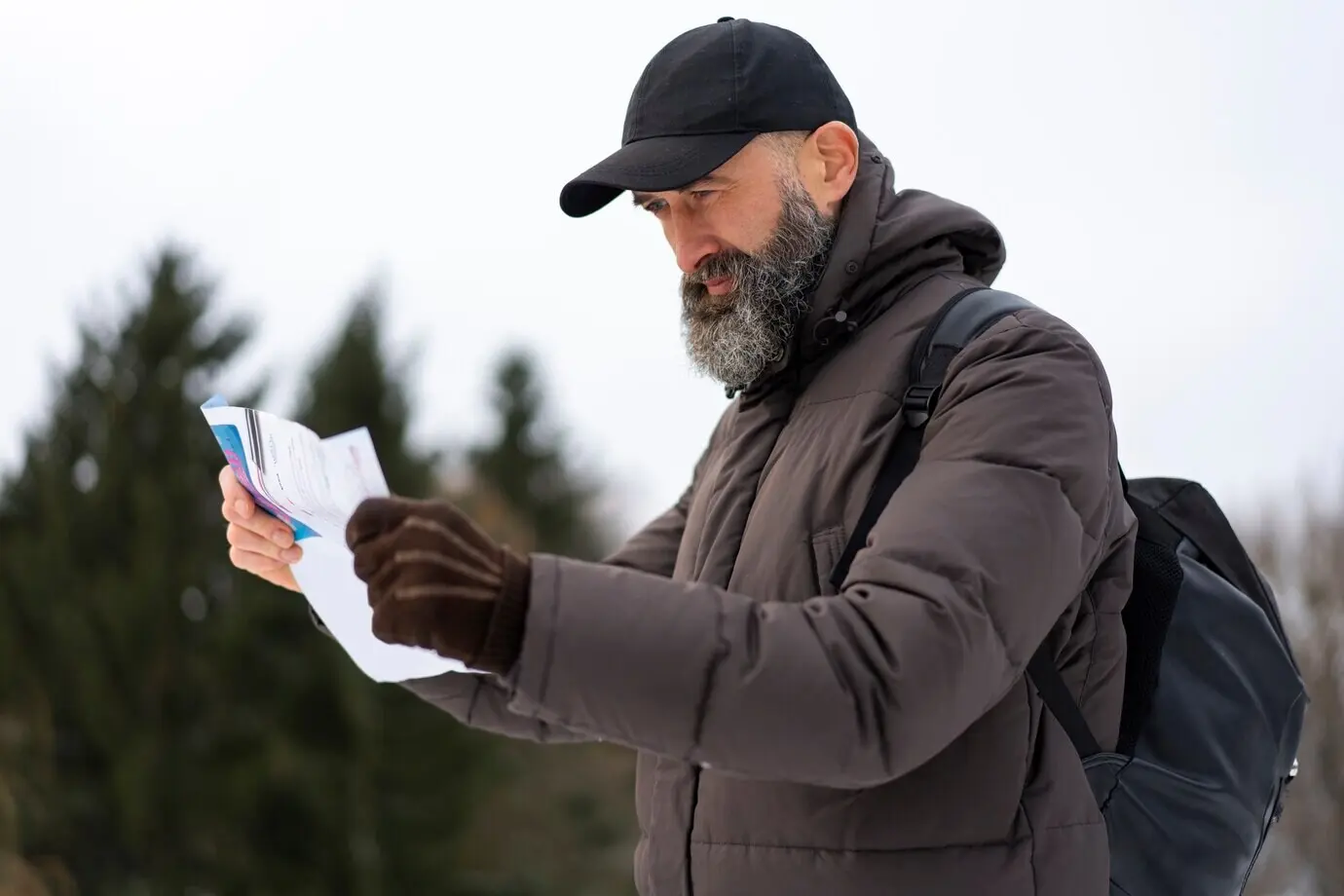
Study the rail system like a river, following branches to edges where trail networks begin. Cross-check station surroundings with satellite views, campsite lists, and local rules about after-hours exits. Mark water fills, grocery stops, and detours for construction. Export a GPX of your route, share it with a buddy, and keep a printed backup, because simple, redundant navigation beats heroics when daylight shrinks and energy fades.
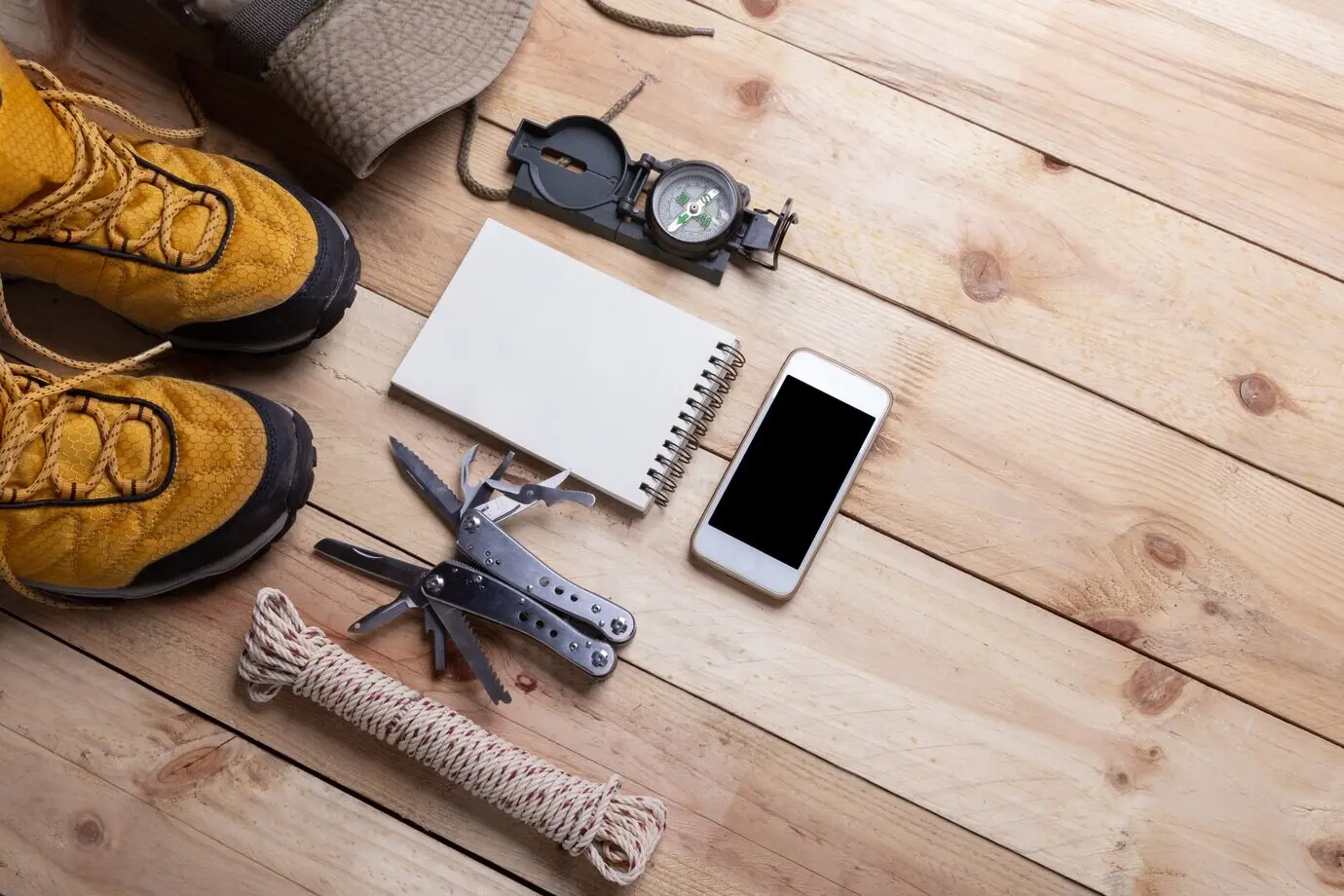
Build a kit that fits under seats and above doors without bumping strangers or blocking aisles. Choose a compact shelter, an efficient quilt, and a pot that nests into your stove. Favor multipurpose clothing and quick-dry layers. Repackage food to reduce crinkles and bulk, and keep essentials reachable for inspections. The lighter you travel, the more nimble your station transfers feel, and the easier it becomes to say yes to an extra viewpoint.
Transit runs on rhythm. Leave early enough to claim calm cars, lift heavy doors without pressure, and reach camp before dusk. Check for service changes, sporting events, and scheduled maintenance that cause crowding. Consider shoulder hours for quieter rides. Share your ETA with a friend, set turn-back times, and plan a simple first-night dinner, so hunger never outruns setup. Good timing turns logistics into ease rather than stress.

Navigating the Last Mile

Feet, Wheels, and Water

Match your route to your strengths. A brisk canal towpath walk may beat a crowded bus, while a station’s bike share unlocks shady miles along rail corridors. Some edges even offer water taxis or ferries that reduce road exposure. Practice folding and carrying your wheels quickly, confirm riding rules on platforms, and yield generously around pedestrians. The goal is steady, courteous movement that keeps the journey pleasant for everyone sharing the public right-of-way.

Wayfinding with Confidence

Bring a simple compass bearing and a downloaded map layer rather than chasing a blinking dot with low battery. Notice landmarks at the station before departing: art, kiosks, a distinctive tree line. Snap a quick photo of the area map. Count intersections and listen for traffic shifts that hint at bridges or tunnels. Confidence grows from small checks, steady pacing, and the freedom to pause, recalibrate, and choose the gentlest safe route toward camp.

After-Dark Arrivals

Sometimes schedules slip and twilight catches you between stops. Prioritize visibility with a reflective strap, headlamp, and a small rear blinker on your pack. Move deliberately, avoiding earphones, and stick to lit thoroughfares you previewed earlier. If unease grows, return to the station and reassess instead of forcing progress. Reserve an easy campsite for late arrivals, and prearrange the first water fill, so your setup remains calm, efficient, and unhurried despite the hour.

Stories from the Edge

Experiences sharpen judgment faster than any checklist. These glimpses from rail-to-camp journeys reveal small decisions that changed everything: which platform stair to take, how to dry a tent near a morning train, why patience earned a lakeside site. Let these moments inspire your own experiments, and share your reflections afterward, so the next traveler steps off the same car with a little more wisdom, courage, and curiosity in their stride.

A Dawn Chorus beyond the Terminal

I caught the first train, transferred once, and walked a mile along a fence humming with sparrows. By sunrise, a thin mist lifted above the river, and commuter lights faded behind alder trunks. Coffee steamed beside the trail as a heron drifted past. The entire journey felt stitched together by kindness: a nod from a conductor, a door held at the station, and a quiet campsite waiting without reservation panic.

When Rain Rewrote the Plan

Halfway to camp, a sudden squall pinned me beneath a station awning. I checked the map, swapped shelters to a drier group site, and pushed dinner earlier between showers. Transit made it simple to adjust; a later train allowed extra drying time. The night turned cozy and reflective, and the next morning’s puddles mirrored cottonwood leaves, proof that flexibility keeps journeys joyful even when forecasts unravel around the edges of the city.


Backpacks and Carriers That Behave on Trains
Look for narrow profiles, smooth fabrics, and stowable straps that will not snag doors or rolling stock. A hip belt that tucks away prevents jabs in crowded aisles. Elastic exterior cords tie down jackets without rattling. If you use a folding cart, practice collapsing it in seconds. Keep weight balanced so you can pivot easily at turnstiles. Polite, compact luggage earns smiles and keeps conductors relaxed when platforms grow busy.

Cooking Without Hassle

Urban fringes often restrict open flames, so plan meals around cold soaking, insulated cozies, and stoves approved by local rules. A tiny alcohol or canister setup, if permitted, should be stable and wind protected. Favor quiet utensils and minimal dishwater to respect nearby campers. Precut vegetables at home, portion spices, and label everything. When dinner is calm and quick, conversations deepen, stars appear, and the last train becomes a distant, soothing hum.

Seasons, Routes, and Sample Weekends

Every line changes character with the calendar. Spring brings wildflowers to embankments, summer reveals shaded river loops, autumn opens long views through thinning leaves, and winter gifts crystalline quiet after storms. Try simple out-and-back overnights first, then link stations for loop itineraries. Build micro-adventures that fit daylight and weather, and leave buffer for unexpected delights. With practice, weekend escapes become repeatable rituals that recharge you while nurturing local parks and transit systems.

Accessibility and Inclusion

Seek stations with elevators, curb cuts, and level boarding, and highlight campsites with firm pads, accessible restrooms, and wide paths. Share these findings widely so newcomers feel invited. Consider sensory-friendly routes and quiet hours. When we plan with varied bodies and needs in mind, the entire network improves. Email tips, post maps, and ask questions. An inclusive approach turns isolated trips into a connected, caring practice that keeps expanding opportunity.

Budgeting and Pass Perks

Weekend passes, off-peak discounts, and regional day tickets often lower costs compared with parking or rideshares. Track special fares around holidays, and pair them with campground reservations that waive vehicle fees. Split group sites with friends to reduce expenses further. A small contingency fund covers last-minute snack breaks or a plan B ride. Share what you learn, and help newcomers stretch cents while discovering restful nights just a few stops beyond downtown.

Share Your Wisdom

We want to hear your voice. Tell us about the best platform exit for a riverside trail, the quiet loop for dawn coffee, or the campsite that catches the last glow of sunset. Post lessons from missteps and celebrate small triumphs. Subscribe for future guides, submit updates when routes change, and invite a friend for their first car-free overnight. Your stories turn maps into living invitations that keep leading people outdoors.

Community, Access, and Stewardship

Car-free camping thrives when riders, agencies, and park stewards collaborate. Offer feedback to transit teams about weekend service, share respectful route notes with fellow campers, and pack a small trash bag to leave sites cleaner than you found them. Advocate for safe crossings and accessible trails near terminals. Subscribe to updates, join volunteer days, and comment with your favorite station-to-camp links. Together, we can build more welcoming gateways to nature at the city’s edges.
Nararamoraxupofe
Privacy Overview

This website uses cookies so that we can provide you with the best user experience possible. Cookie information is stored in your browser and performs functions such as recognising you when you return to our website and helping our team to understand which sections of the website you find most interesting and useful.