Pedal, Ride, and Roam: Weekend Escapes from the City

Step into a smarter kind of adventure that blends trains, buses, and bicycles for quick, low‑carbon getaways. Here we focus on bike-and-transit weekend backpacking routes from major cities, sharing planning frameworks, gear strategies, policy insights, and three inspiring blueprints so you can roll out Friday, hike to restful camps, and glide home Sunday feeling renewed, capable, and excited for the next journey.

Planning the Multi‑Modal Escape

Gear That Works on Platforms and Singletrack

Ultralight Without Compromising Safety

Cut grams where they are least missed, not where they keep you safe or warm. A quality headlamp, reflective elements, and a reliable rain layer are non‑negotiable. Sleep systems should match forecast lows, not optimistic wishes. Choose repair kits that actually fix flats in drizzle beneath a station awning. Ultralight is a mindset of intention, not deprivation, protecting your comfort while preserving agility on platforms, bike lanes, and steep morning trail climbs.

Carrying Systems That Ride and Hike

Balance is everything. Panniers shine for stable road miles but can hinder off‑bike movement. Hybrid setups—frame bag, small pannier, and lightweight daypack—can switch seamlessly from pedaling to hiking. Keep must‑reach items high and front; stash dense items low and central. Test transitions at home: lock bike, shoulder pack, grab food, and move. Practiced choreography saves minutes, reduces stress, and keeps you smiling when trains roll in sooner than expected.

Food and Water for Forty‑Eight Hours

Efficient menus prioritize calories per liter of fuel and per cubic inch of space. Cold‑soak or quick‑boil meals simplify camps where time and daylight are precious. Carry an extra emergency snack for transit delays. Filter options should work in murky sources and chilly flows; pack a backup purification method. Breakfasts should launch you fast toward trailheads. Keep caffeine compact, morale high, and waste minimal so your exit feels effortless on Sunday afternoon.
Bike and Transit Policies, Simplified
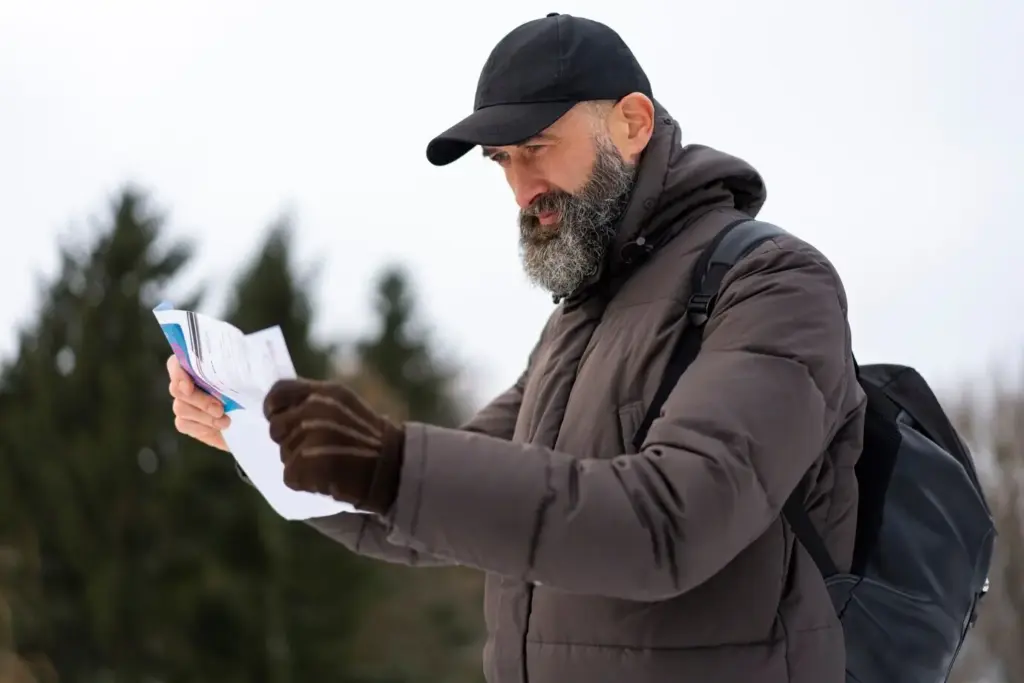
Policies differ across agencies and days, yet patterns help. Many systems welcome bikes off‑peak, sometimes with car‑specific boarding zones or limits per car. Some require reservations, fees, or folded handlebars; others prefer fully folded bikes only. Accessibility areas must remain clear, and elevators may be crucial. Always confirm current rules before departure. Courteous conduct—yielding space, removing bags, communicating clearly—earns goodwill and preserves options for the entire bike‑and‑transit community.

Routes from Major Cities: Three Ready‑to‑Go Blueprints

New York City to Harriman and the Hudson Highlands
Depart on regional rail toward stations near Harriman or the Hudson Highlands, timing arrival to avoid rushes. Bike quiet roads and rail‑trail connectors to reach trailheads quickly, then shoulder your pack for rugged ridgelines, lake‑rim camps, and starlit overlooks. Water filters well from marked sources; bear‑aware storage is wise. Return via a different station to keep scenery fresh. This loop balances big‑city access with satisfying solitude by the second hour.

San Francisco Bay Area to Mount Tamalpais and Point Reyes

Combine ferry or regional rail with coastal bike lanes and fire roads climbing toward redwoods and breezy ridges. Transition to backpacking across rolling headlands, aiming for permitted backcountry sites with ocean views. Fog and wind shift quickly; pack stable layers and stove wind screens. Return through a different watershed for variety, pausing for bakery stops that sweeten the ride to your terminal. You will feel vast horizons within reach of home.

Seattle to Rattlesnake Lake and the Middle Fork

Link light rail or regional buses with a measured bike approach that favors trails and calmer roads toward foothill forests. Lock the bike discreetly at established racks or far off the main path, then shoulder a pack into mossy valleys and river‑braided bottoms. Expect lush shade, shifting clouds, and soothing water sounds. Start early to secure camps and daylight buffers. Return energized by mountain air, espresso, and satisfying platform‑step muscle memory.

Safety, Stewardship, and Overnight Confidence

Riding to wilderness asks for wide‑angle awareness. High‑visibility layers, reliable lights, and reflective elements amplify presence at dusk. Spare tubes, a chain link, and a tiny towel turn minor issues into manageable pauses. In camp, Leave No Trace principles guide choices that protect wildlife and water. Respect closures, yield with kindness, and thank transit staff. When setbacks appear, a calm, practiced mindset keeps your group moving and morale surprisingly high.

Road Awareness and Night Contingencies

Plan for darkness even if you expect sunlight. Bright, charged lights, reflective ankle bands, and a rear blinker on steady mode help drivers gauge distance. Preload offline maps and emergency contacts. If fatigue creeps in, shorten the ride and extend the hike. Identify safe bail‑out stations and late‑evening service patterns. A few rehearsed options protect energy, focus, and goodwill, turning the unexpected into a story rather than a scramble.

Securing the Bike at the Trailhead

A compact U‑lock paired with a cable protects wheels; hide them behind logs or signage where allowed, avoiding trail obstruction. Remove lights and gadgets. Photograph the location and share coordinates with partners. Consider a small, discreet cover to reduce temptation. If facilities provide racks, use them and lock through the frame. Respect land managers’ guidance so bicycles remain welcome near busy trailheads that serve hikers, equestrians, and curious weekend wanderers alike.

Low‑Impact Camps and Wildlife Respect

Choose durable surfaces, collect cooking water carefully, and keep scents contained. Where wildlife storage is required, use issued lockers or proper canisters. Pack out microtrash and check the site at dawn. Voices carry farther than you think; let the forest soundtrack lead. Fires may be restricted—stoves are often wiser. Leaving a place better than you found it builds trust, preserves habitat, and ensures these routes remain inviting for everyone.

Community, Timing, and Continuous Improvement

Combine official transit notices with hyperlocal radar and wind forecasts to anticipate bottlenecks. A ten‑minute delay can mean overdressed pedaling or a cold wait on an exposed platform. Adjust layers, snacks, and train choices accordingly. Watch sunrise and sunset times closely. When storms threaten, pivot to lower routes or urban greenways and save alpine ambitions for next month. Skillful timing can turn borderline conditions into surprisingly joyful, crowd‑free adventure moments.
Late spring and early fall often deliver gentle temperatures and vivid light, while winter invites cozy, closer‑to‑home loops with hot drinks. Build alternatives that preserve stoke: shorter climbs, paved connectors, and scenic overlooks requiring less commitment. Cache bail‑out stations and bus lines on your map. If wildfire smoke, heat, or ice intrudes, swap the destination while preserving your Friday ritual. Consistency builds confidence; flexibility keeps the magic reliably alive.
Tell us what worked, what surprised you, and which stations made your heart sing. Drop a comment with mileage, water notes, and must‑know policy quirks so others can follow safely. Subscribe for fresh route ideas, seasonal packing tweaks, and evolving policy roundups. Your feedback shapes upcoming guides, from coastal bluffs to inland ridges, and helps build a generous, curious community that keeps bike‑and‑transit overnights welcoming, practical, and irresistibly repeatable.
Nararamoraxupofe
Privacy Overview

This website uses cookies so that we can provide you with the best user experience possible. Cookie information is stored in your browser and performs functions such as recognising you when you return to our website and helping our team to understand which sections of the website you find most interesting and useful.