
Camp Under the Stars, Arrive by Bus or Train


How to Plan a Car‑Free National Park Escape
Map the Links
Seasonal Schedules and Shoulder Seasons
Reservations and Permits Without a Car
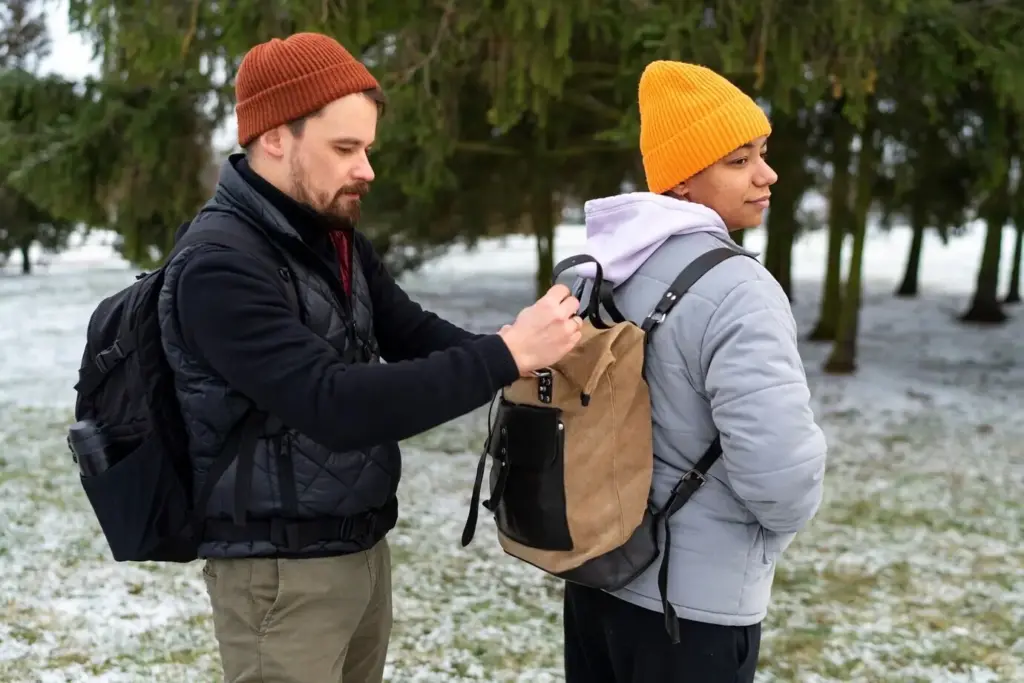
Campgrounds You Can Reach Without a Car
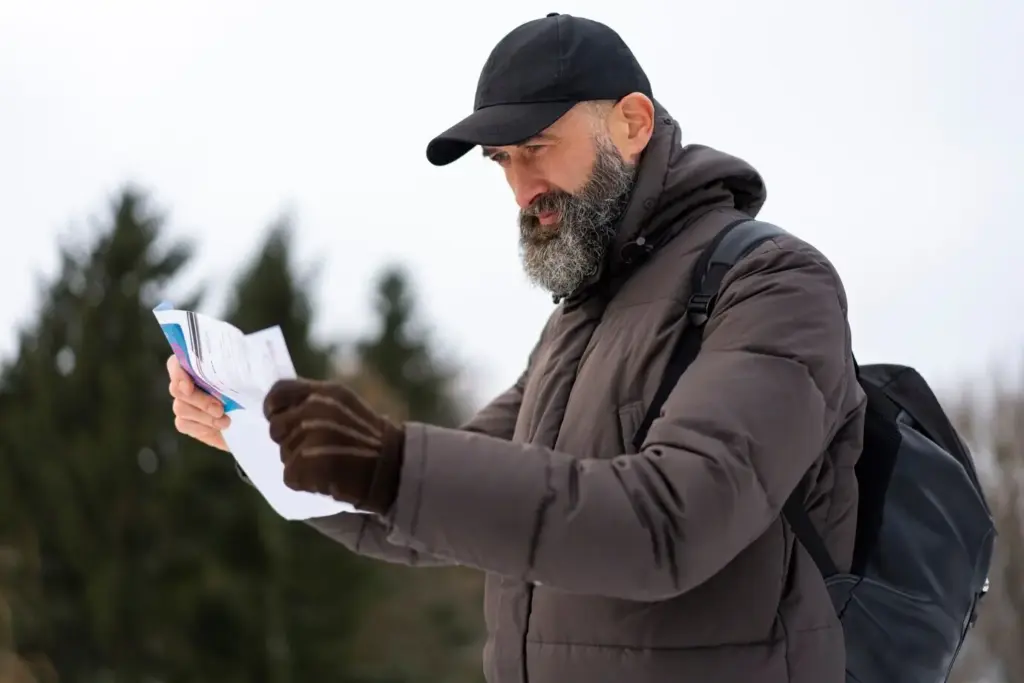
Trailheads Linked by Reliable Shuttles
Long‑Distance Gateways: Trains and Coaches That Deliver You
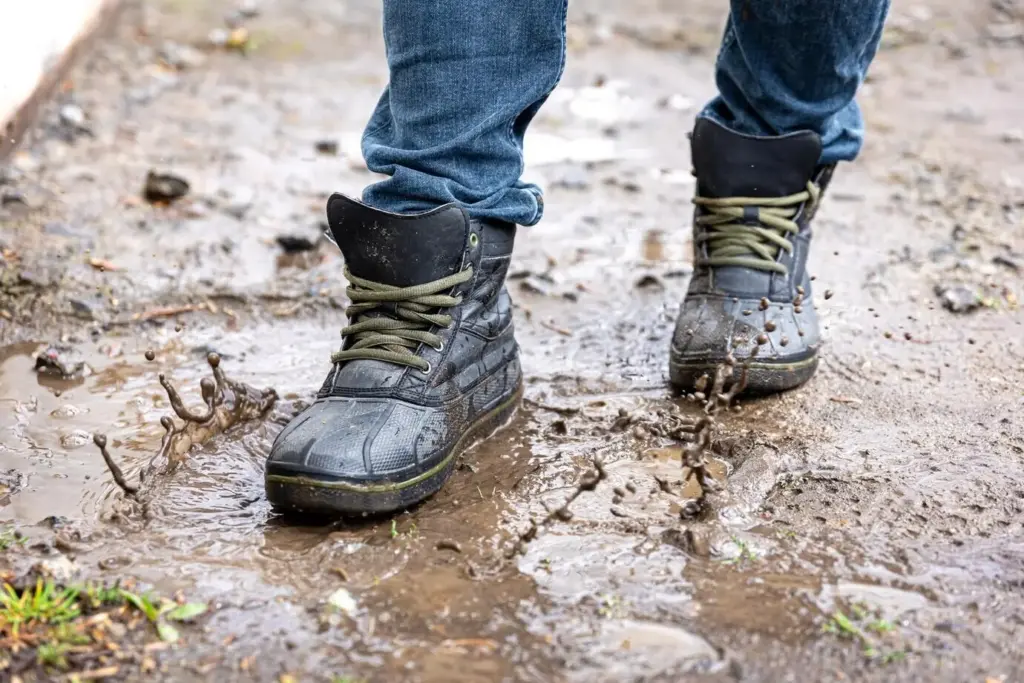
Packing Smart for Transit‑Based Camping
Ultralight Without Sacrificing Comfort
Bear‑Safe Food Systems That Ride Well
Prepared for Rain, Heat, and Altitude
Safety, Accessibility, and Leave No Trace
Accessibility Wins and Considerations
Many gateway buses and park shuttles accommodate mobility devices and offer kneeling steps. Confirm lift availability and securement procedures in advance, and ask about stop surface conditions. Some boardwalks and visitor centers feature accessible restrooms and viewpoints. Carry a lightweight seating option if standing is uncomfortable during busy periods. Clear communication with drivers and rangers can unlock personalized assistance that preserves independence without sacrificing spontaneity or scenic goals.
Weather Awareness and Backup Plans
Mountain forecasts can change hourly. Before boarding, check radar, snow levels, wind advisories, and trail closures. Identify alternative hikes near the same stops and confirm the day’s last return shuttle. Pack an emergency bivy, extra calories, and visibility aids. If a route suspends service, know your town‑side options—hostels, motels, or campgrounds. Preparation turns disruptions into stories, not crises, preserving morale and valuable vacation time.
Leave No Trace in a Transit Context
Public transit reduces emissions, but stewardship continues on foot. Stay on durable surfaces, pack out microtrash, and filter dishwater far from streams. Keep voices low on crowded buses, offering seats to elders or exhausted hikers. Share trail beta honestly, highlighting fragile areas to avoid. When wildlife approaches, give space and secure food immediately. These habits multiply across riders, preserving wild character while strengthening community ties among travelers.
Sample Itineraries and Community Tips
All Rights Reserved.