Bus‑Easy Family Camping with On‑Site Gear Rentals
Today we dive into family‑friendly campgrounds reachable by bus, where tents, sleeping bags, stoves, and kid‑ready extras wait for you at the rental counter. Enjoy lighter packing, simpler planning, and playful weekends built around safe facilities, engaging activities, and budget‑wise choices. Learn practical steps for booking gear, timing transit, and keeping children happy between stops and s’mores. Discover stories from parents who traded car keys for transit freedom, then share your questions, subscribe for updates, and plan a low‑carbon getaway you can repeat every season.

Plan the Bus‑First Escape

Begin by tracing transit routes that align with calm arrival times, leaving buffers for snacks, bathroom breaks, and stroller folds. Compare express lines with local connectors, confirm weekend and holiday schedules, and note walking distance from the final stop to the campground entrance. Pack compact bags, reserve accessible seating when available, and alert staff about late check‑ins. Thoughtful preparation reduces stress, keeps energy high for exploring, and ensures your first hour outside feels like an invitation to wander rather than a race against sundown and impatient bellies.

Mapping Routes and Transfers

Use official transit apps and offline maps to understand frequency, last‑bus times, and transfer windows, especially when traveling with nap schedules or toddlers. Screenshot timetables, star key stops, and add a backup route with a slightly longer walk. Message the campground for the most dependable stop name, ask about shuttle windows, and confirm whether luggage carts are available. A few extra minutes planning saves entire hours later, keeping everyone cheerful, hydrated, and primed for adventure when the trailhead finally appears.

Packing for Transit Simplicity

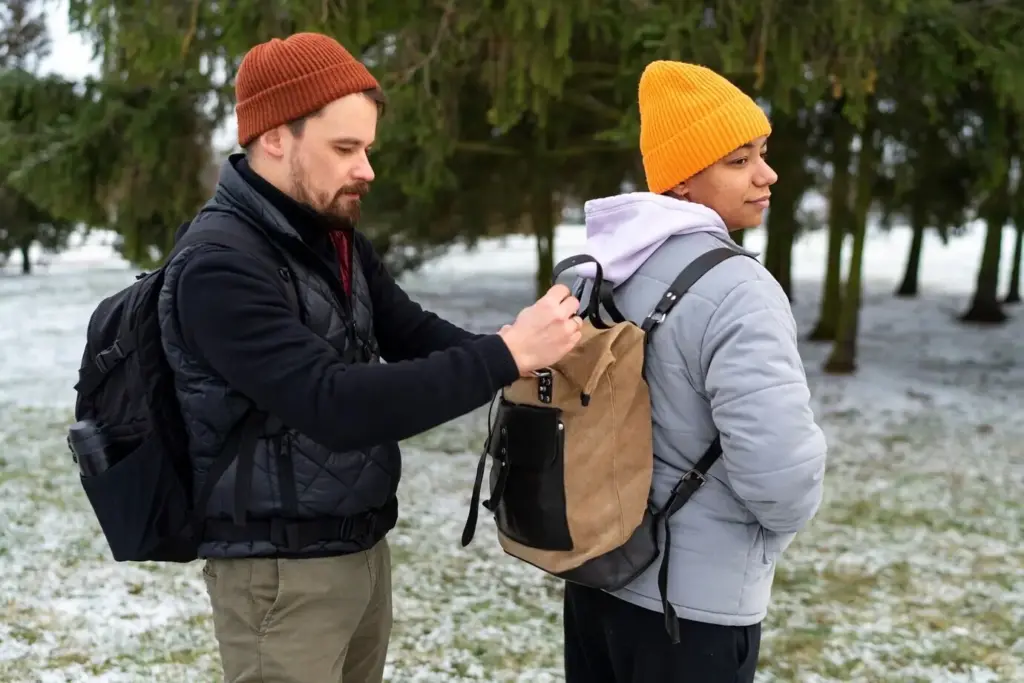
Prioritize soft duffels that compress into overhead racks and pack one lightweight daypack for snacks, water, wipes, and spare layers. Choose modular pouches so you can grab rain jackets without unpacking everything at a crowded stop. Roll clothing by child, label sleepwear separately, and pre‑portion trail mix into leakproof containers. Keep a compact picnic blanket accessible, because many bus stops double as snack stations. The simpler your carry, the calmer every transfer, freeing hands for curious fingers and reassuring hugs.

Play Spaces, Trails, and Water Access
Prioritize campgrounds with a playground close to family sites, short loop trails for little legs, and clear rules around ponds or beaches. Shade near play areas extends outdoor time on hot afternoons, while benches keep caregivers comfortable. Trailhead signage with distances helps children choose adventures proudly, and posted lifeguard schedules clarify swim plans. Ask whether life jackets are rentable and whether strollers roll easily to water. Nearby fun reduces wandering fatigue, invites inventive games, and transforms simple walks into daily traditions everyone anticipates.

Facilities That Matter with Kids

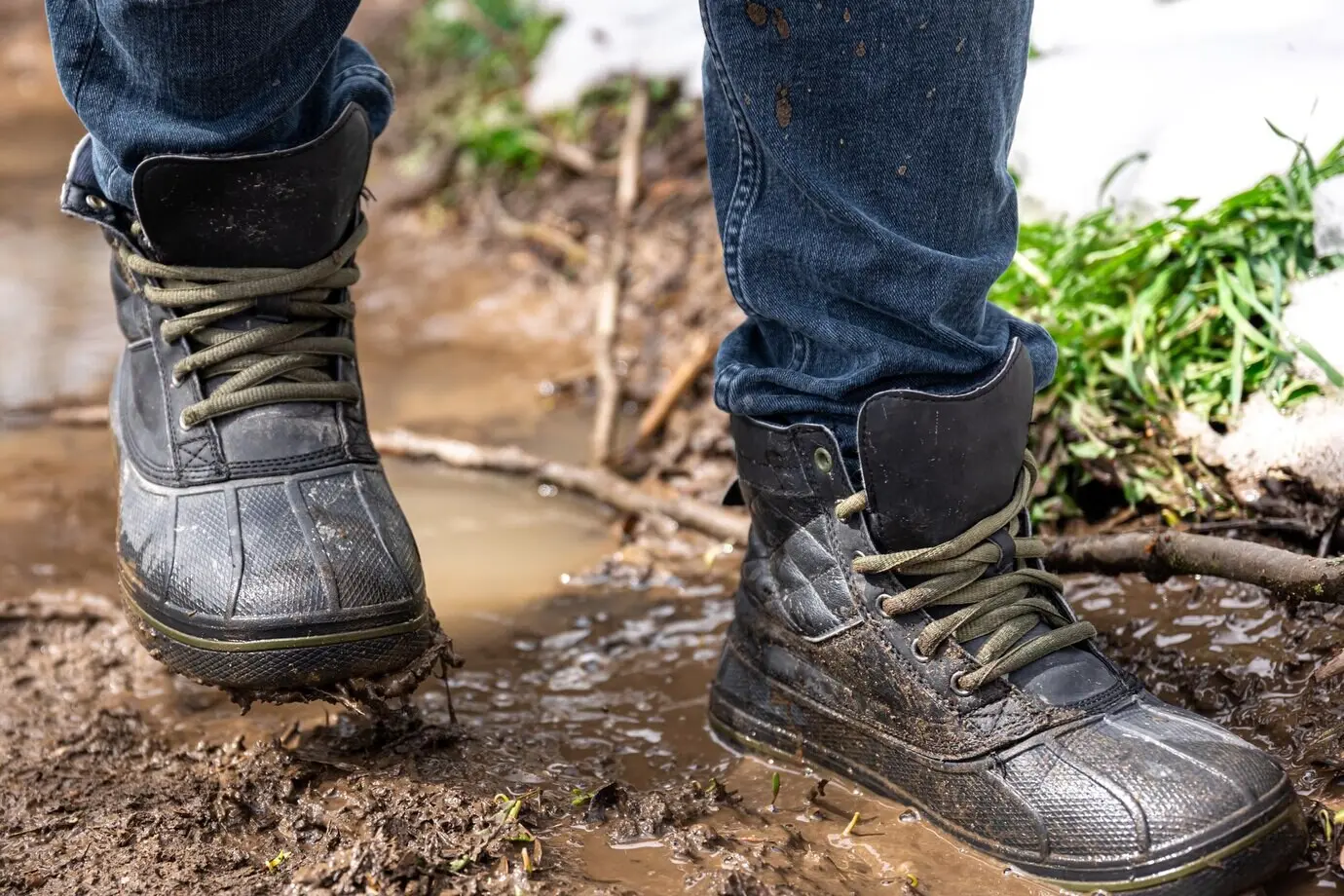
Seek clean restrooms with changing tables, well‑lit paths for late returns, and dish stations that keep cooking kits sanitary. Showers with family stalls simplify end‑of‑day routines, especially when mud tempts joyful exploration. Clear trash and recycling points reduce campsite clutter and critter interest. If laundry machines exist, pack fewer outfits confidently. Ask about quiet hours enforcement and morning coffee options near the camp store. Comfort multiplies patience, and patience invites laughter, curiosity, and cooperative cleanup when s’mores crumble and socks mysteriously vanish.

Renting Gear with Confidence

Treat the rental counter like a friendly outfitter. Ask about repair kits, tent stakes for hard ground, and how sleeping bags are cleaned. Request demonstrations for rainfly tensioning, stove ignition, and lantern battery swaps. Photograph the packed configuration so repacking becomes simple on departure day. If sizes run small or pads feel thin, inquire about upgrades before sunset. Transparent policies, thorough walkthroughs, and thoughtful questions transform rented gear into trustworthy companions, saving trunk space you never had and stress you’ll happily forget by breakfast.

Activities That Delight Every Age

Nature Games and Scavenger Hunts

Design lists using safe, observable treasures: a feather on the path, a triangle‑shaped leaf, a bird call, three shades of green, or a rock that feels surprisingly smooth. Encourage drawing or quick descriptions instead of collecting, honoring leave‑no‑trace principles. Offer small celebrations for completed rows, like choosing the next trail. Build collaboration by pairing older kids with younger ones for gentle guidance. The goal is attention, curiosity, and shared laughter, not competition, so even brief walks become vivid stories retold during cocoa time.

Storytime, Night Sky, and Quiet Hours

After dark, switch to red‑light headlamps and invite each person to add a sentence to a campfire tale. Trace constellations using safe pointers or finger outlines against the sky. Respect quiet hours by lowering voices and choosing gentle narratives. If clouds hide stars, explore tree silhouettes and night sounds instead. Create a ritual signal—maybe a soft chime—that means pajamas, toothbrushing, and whispered goodnights. These predictable rhythms calm excited minds, protect neighborly serenity, and make mornings brighter when birds begin their cheerful, improvised overtures.

Rainy‑Day Creativity Under a Shelter

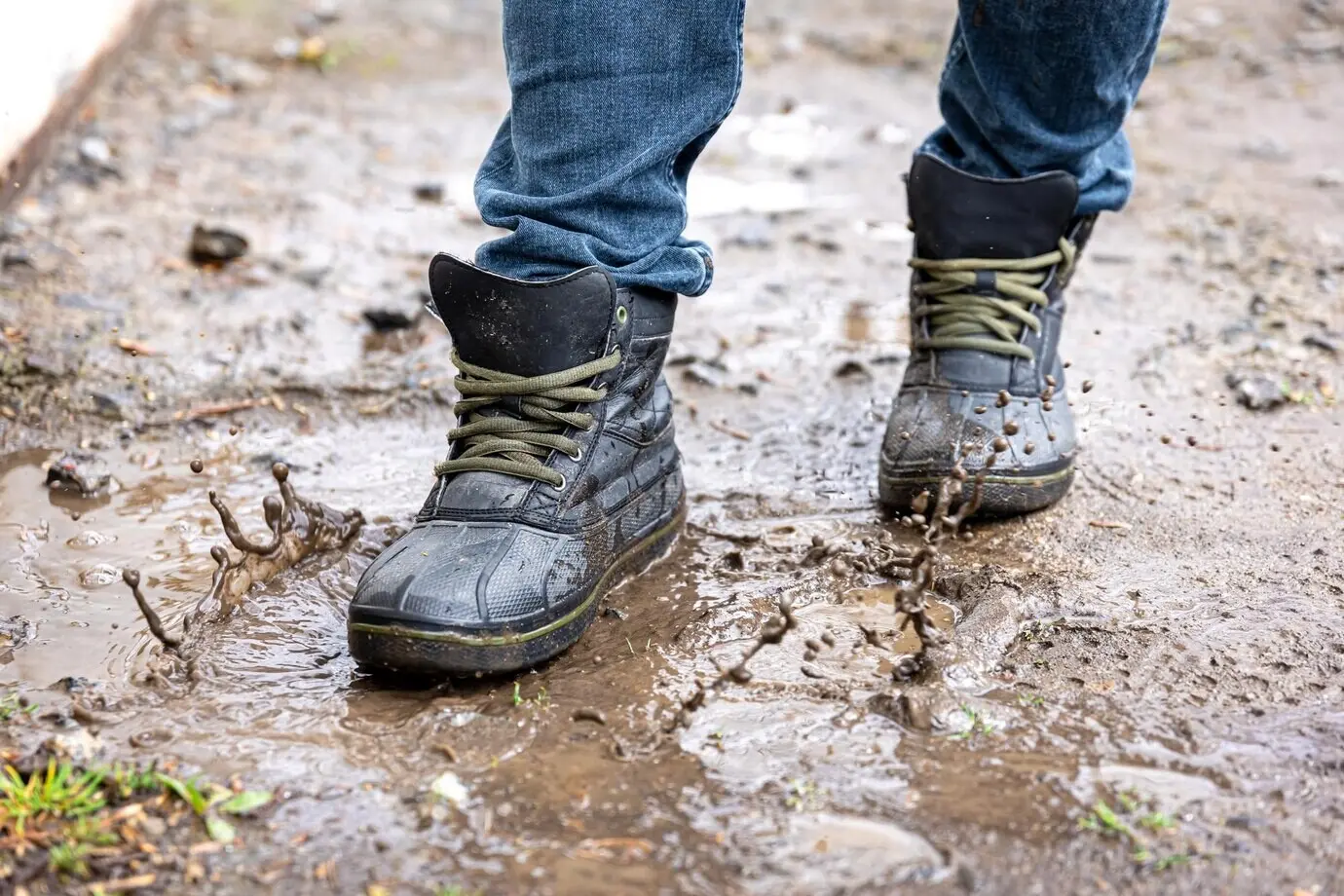
Keep morale high with compact, weather‑proof fun: waterproof sketch pads, foldable card games, and nature riddles that reward observation over speed. Pitch the rainfly for a dry porch, hang a small line for damp socks, and brew cocoa in safe mugs. Rotate roles—navigator, storyteller, chef—to keep everyone engaged. If spirits droop, bundle up for a five‑minute puddle walk and return to warmth. Small, satisfying wins transform soggy forecasts into cozy memories punctuated by drumbeat rain and the sweetness of deliberate slowness.

Safety, Comfort, and Weather Smarts

{{SECTION_SUBTITLE}}
First‑Aid Essentials and Allergies

Stock bandages, blister pads, antihistamines, child‑safe pain relievers, tweezers, antiseptic wipes, and a compact splint wrap. Add sunscreen, insect repellent, and hydrocortisone for itchy surprises. Document allergies, doses, and emergency numbers on a waterproof card. Practice opening the kit one‑handed while soothing a child. Keep it in the daypack, never buried. Confidence comes from repetition, not heroics, turning scrapes into brief pauses rather than journey‑ending setbacks, and teaching kids to ask for help early with calm, proud voices.

Wildlife Awareness Near Family Areas

Store food in lockers or bear‑resistant containers, clean cookware promptly, and teach children to admire animals from a respectful distance. Review local guidance on raccoons, deer, snakes, or bears, and model steady, non‑reactive behavior. Point out tracks on morning walks and discuss habitat without feeding or chasing. Secure trash, zip tents fully, and avoid scented toiletries at night. Awareness protects animals and people, turning encounters into wonder rather than worry, and keeping bedtime peaceful even when curious rustles pass the tree line.

Budget, Impact, and Lasting Memories

Cost Comparison: Bus Plus Rental Versus Car Ownership

Add fares, campsite fees, and rentals, then compare against car payments, insurance, fuel, maintenance, and parking. Consider how many weekends you realistically travel and whether gear storage costs space at home. Renting lets you pilot premium tents before buying and avoids replacing outgrown children’s equipment. Transparent math clarifies priorities, freeing funds for ranger programs, trail treats, or extra nights under stars. Budgeting becomes a creative exercise, not a constraint, shaping traditions your kids will remember longer than any shiny purchase.

Lowering Your Footprint Without Lowering Fun

Transit access cuts emissions while encouraging slower, immersive exploration. Choose reusable bottles, lightweight mess kits, and bulk snacks packed in silicone bags. Borrow field guides, share gear when appropriate, and follow leave‑no‑trace principles with curious explanations children can repeat. Support camp stores that stock repairs and rentals. Thoughtful choices ripple outward, protecting habitats your family will visit again. When kids see stewardship paired with joy, caring becomes second nature, and every bus ride feels like a promise to future campers and songbirds.

Sharing Stories, Photos, and Planning Together

After returning home, upload a few favorite moments and note what worked, from bus stops with shade to rental pads that felt extra cozy. Ask fellow readers for campground suggestions, rainy‑day hacks, or route tips. Celebrate small wins—a fearless first night, kinder sibling teamwork, or brave tries at lantern‑lit toothbrushing. Your reflections help families like yours choose wisely and travel lightly. Join the conversation, subscribe, and return often, because outdoor confidence grows faster when stories, questions, and encouragement travel together.
Nararamoraxupofe
Privacy Overview

This website uses cookies so that we can provide you with the best user experience possible. Cookie information is stored in your browser and performs functions such as recognising you when you return to our website and helping our team to understand which sections of the website you find most interesting and useful.